A convincing website is no longer enough: earning customer trust in 2026
A September 2026 FTC warning about cloned dealership websites offers a practical lesson: make your business identity easy for customers to check.
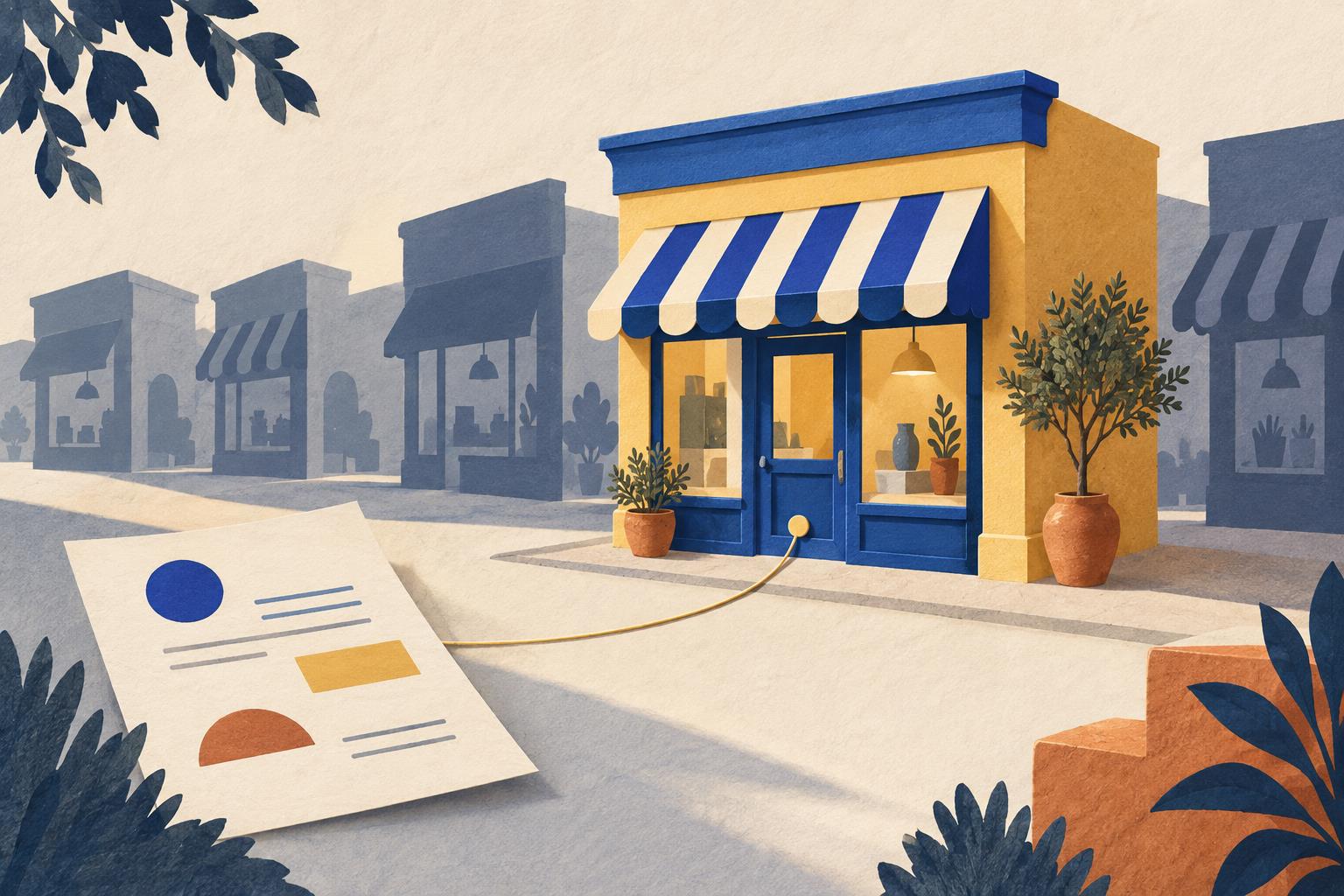
A customer lands on a website, sees professional photos and reads a reassuring return policy. A few years of polish seem to be right there on the screen. But who is actually behind the site?
That question has a very practical edge in 2026. In a September 1 alert, the FTC described scammers cloning car dealership websites, copying branding, vehicle listings and photos, sometimes using AI. Some of the sites even included invented testimonials. The point for a legitimate business is uncomfortable: the appearance of credibility can be copied.
Your response doesn’t need to be a website full of warnings. It needs to be a business identity customers can check beyond the page they happen to be viewing.
Make the connection between your business and your website explicit
If your trading name differs from your registered business name, explain that relationship. Use the same official website address in your profiles, invoices and normal customer communications. Keep contact details accurate and easy to find.
A prospective customer should not have to guess whether two slightly different names describe the same business. Nor should they need to send money before learning who is providing the service.
For your own audit, open your website, public business profile and latest invoice side by side. Look for old names, outdated phone numbers and links that point somewhere unexpected. Small inconsistencies can create unnecessary questions at exactly the point you want someone to feel comfortable proceeding.
Offer a way to check information independently
The FTC’s dealership warning makes another useful distinction: good reviews for a real business don’t establish that a particular website belongs to that business. In the car-buying example, it recommends going further, such as arranging an in-person visit or an independent inspection.
The equivalent for your business depends on what you sell. A local provider might offer a call through its established contact channel. A consultancy might explain its contracting process and the legal entity on the agreement. A retailer might make its official domain and customer-service route clear across its public presence.
These are practical recommendations, not a promise that any single check can stop fraud. Think about what an unfamiliar customer can actually verify and make that step straightforward.
Explain unusual payment requests before they become a concern
Customers may hesitate when payment instructions arrive from an unfamiliar address, a company name changes unexpectedly or a message pressures them to act immediately.
Explain your normal payment process before asking someone to use it. If details change, give customers a way to confirm through an established channel. Train staff to welcome that confirmation rather than treating it as an inconvenience.
A cautious customer is trying to make a reasonable decision. A calm, specific answer is more useful than insisting there is nothing to worry about.
Use verification as evidence, with a clear scope
A badge is only useful if a customer can understand what it represents. A static image saying “trusted” provides very little detail on its own.
LumaTrust’s Verified Business badge links to a public verification record. Customers can see the business, the scope of the checks, the review date and the current status. The checks cover registration evidence, the representative’s connection to the business and its website, among the requirements described in the verification standards.
That record supports a specific identity claim. It does not guarantee service quality, purchases or fraud prevention, and it does not make every website displaying a copied image authentic. Customers still need to check that the record’s domain matches the website they intend to use.
Give customers something more useful than reassurance
Imagine someone asks, “How do I know this is really your business?” A useful answer points to accurate public details, an established contact route and evidence they can inspect. “Trust us” leaves them with the same unanswered question.
Start by making those answers visible. Create a free LumaTrust business profile to bring your business information and customer feedback together. If your business is eligible, you can then apply for verification and give visitors a record of the checks behind your badge.
The 2026 lesson isn’t that design no longer matters. It’s that design should help people find the evidence, rather than ask them to accept appearances alone.
Source and context
This article draws on the FTC’s September 1, 2026 consumer alert about spoofed dealership websites. The business recommendations are LumaTrust’s interpretation of that example. The FTC does not endorse LumaTrust, and its alert is not evidence of LumaTrust’s effectiveness.